


Articles by Initial Letters
A Szászcsávási Zenekar hitelességéről – II.
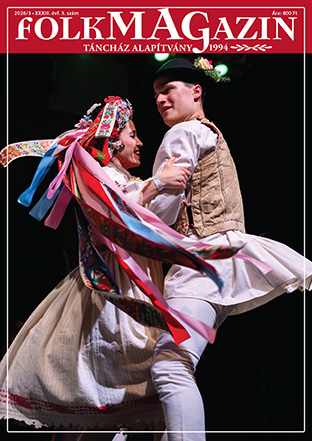

Authenticity and the Százcsávás Band – Part 2
Written by Szanthó Zoltán the person – a Hungarian musician from Budapest’s dance house movement (amongst his other activities) - who since the early 1990s has visited, supported, recorded, befriended, produced and toured this group of traditional musicians from the Transylvanian village of Százcsávás /Ceuaș, in Maros/Mureș County, Romania. He describes the band and the musicians addressing some basic questions/observations/criticisms - that have arisen surrounding the band over the years. The process of addressing these questions offers the reader a wealth of interesting information about the band. In Part 2, Szánthó responds to the criticism that “the lineup of the band is completely foreign to local tradition”. He disagrees and supports this through citing his experiences on countless visits to the village, results of his own collection and documentation work, statements by the musicians and old photographs. In ‘Csávás two prímás-es regularly performed together along with two accompanying musicians – meaning two viola, viola and second fiddle, or accordion, cymbalom, and bass. There were pairs of lead fiddlers that were particularly accustomed to playing together. Another issue addressed: Children of members of the band only become musicians so they can travel – they aren’t authentic anymore because their repertoire and often their instruments have changed. The response to this, centers mainly on the changing social/cultural/economic situation of Transylvanian village musicians following changes in Romania after the 1989 revolution. As the needs of the traditional communities changed, the musicians if they wanted to be hired to play, had to adapt to their audiences’ needs and tastes. The younger generations of musicians often do seasonal work in agriculture or other jobs to make a living – income from playing music only comes in addition to their other work. To be continued. By Szánthó Zoltán
Written by Szanthó Zoltán the person – a Hungarian musician from Budapest’s dance house movement (amongst his other activities) - who since the early 1990s has visited, supported, recorded, befriended, produced and toured this group of traditional musicians from the Transylvanian village of Százcsávás /Ceuaș, in Maros/Mureș County, Romania. He describes the band and the musicians addressing some basic questions/observations/criticisms - that have arisen surrounding the band over the years. The process of addressing these questions offers the reader a wealth of interesting information about the band. In Part 2, Szánthó responds to the criticism that “the lineup of the band is completely foreign to local tradition”. He disagrees and supports this through citing his experiences on countless visits to the village, results of his own collection and documentation work, statements by the musicians and old photographs. In ‘Csávás two prímás-es regularly performed together along with two accompanying musicians – meaning two viola, viola and second fiddle, or accordion, cymbalom, and bass. There were pairs of lead fiddlers that were particularly accustomed to playing together. Another issue addressed: Children of members of the band only become musicians so they can travel – they aren’t authentic anymore because their repertoire and often their instruments have changed. The response to this, centers mainly on the changing social/cultural/economic situation of Transylvanian village musicians following changes in Romania after the 1989 revolution. As the needs of the traditional communities changed, the musicians if they wanted to be hired to play, had to adapt to their audiences’ needs and tastes. The younger generations of musicians often do seasonal work in agriculture or other jobs to make a living – income from playing music only comes in addition to their other work. To be continued. By Szánthó Zoltán